PRINTMYPOSTER
CASE STUDY

I Built a Culture brand with 40% Conversion rate.
The Business Still Failed.

And why brand fit and business viability are completely different things.

Timeline

Dec 2023-
Oct 2025

Industry

D2C /
E-commerce

Role

Founder &
Brand Communication

Artifact type

Post-Mortem
Business Analysis
The Paradox
What Worked (Offline)

People loved the brand when they saw it.

40%
Conversion Rate at Pop-up Stalls
(vs. industry average 2–5%)
₹26,870
Revenue in just 3 days
Zero acquisition cost (Organic foot traffic)
VS
Why It Failed (Online)

But the business model couldn’t scale.

18 Orders
Total online sales in 11 months
(Less than 2 orders per month average)
₹17k vs ₹44k
Monthly revenue vs fixed costs
Structural financial mismatch
8%
Repeat Purchase Rate
Needed 20–30% for viability
Strong Brand Fit Strong Business Model (The Core Paradox)
What Worked vs What Didn’t

What Worked vs. What Didn’t

Why the offline success was a false positive for the business model.

What Worked

Offline: 40% Conversion Rate

High intent at stalls. Zero acquisition cost. Immediate trust.

Brand Identity & “Vibe”

Minimalist, anime/pop-culture aesthetic resonated instantly with Gen Z.

Premium Product Quality

350gsm matte paper vs competitors’ 150gsm. Tangible difference.

Unboxing Experience

Custom packaging shared widely on Instagram. High perceived value.

Target Audience Clarity

16-23 year old design-conscious fans with disposable income.

What Didn’t Work

Online Channel: 1.5–2.5% Conversion

25x worse than offline. Trust gap and friction were high.

Unit Economics Disaster

CAC (₹556) ate almost entire Gross Profit (₹730). No margin for error.

Fixed Costs Burden

₹44,000/month for infrastructure vs. ₹9,181 average revenue.

Sustainability Issues

Repeat rate was only 8% (needed 20–30% for viability).

Scalability Limits

Pop-up stall success relied on founder presence. Not a repeatable model.

The Bet: Hypothesis vs Reality

The Bet: “Brand-Driven Premium Positioning”

The hypothesis I believed in vs. the cold reality of unit economics.

The Hypothesis (Logic Chain)

1

Precedent: The “Crepdog” Model

Saw previous employer take basic streetwear (commodity) and apply brilliant branding to charge premiums.

2

Market Context

Posters are effectively commodities. Like sneakers were initially.

3

Audience Behavior

Gen Z responds to “Brand Vibe” and identity more than functional features.

The Conclusion

Therefore: Strong Identity + Gen Z Targeting = Scalable Premium Business

⚠️

The Reality (Execution Gap)

Focus on Design & Narrative Over-indexed (100%)

Spent months on logo, packaging, unboxing, “vibes”.

Focus on Business Fundamentals Under-indexed (<10%)

CAC

Ignored

LTV

Unknown

“I thought design was the bottleneck.
Reality: Unit economics were the bottleneck.”

CORE MISTAKE

Framework Compare — Logic Comparison

Reality Check: Designer vs. Founder Logic

I massively over-indexed on design and under-indexed on fundamentals. Here is the mental shift required.

Designer’s Logic The Trap I Fell Into
✕ Wrong Approach
01

Identify Design as the bottleneck

02

Build Brand to solve Commoditization

03

Hope economics follow aesthetic

Founder’s Logic The Reality
✓ Correct Approach
01

Validate Unit Economics first

02

Ensure Business Viability

03

Brand acts as a Multiplier

Product Specs
The Product

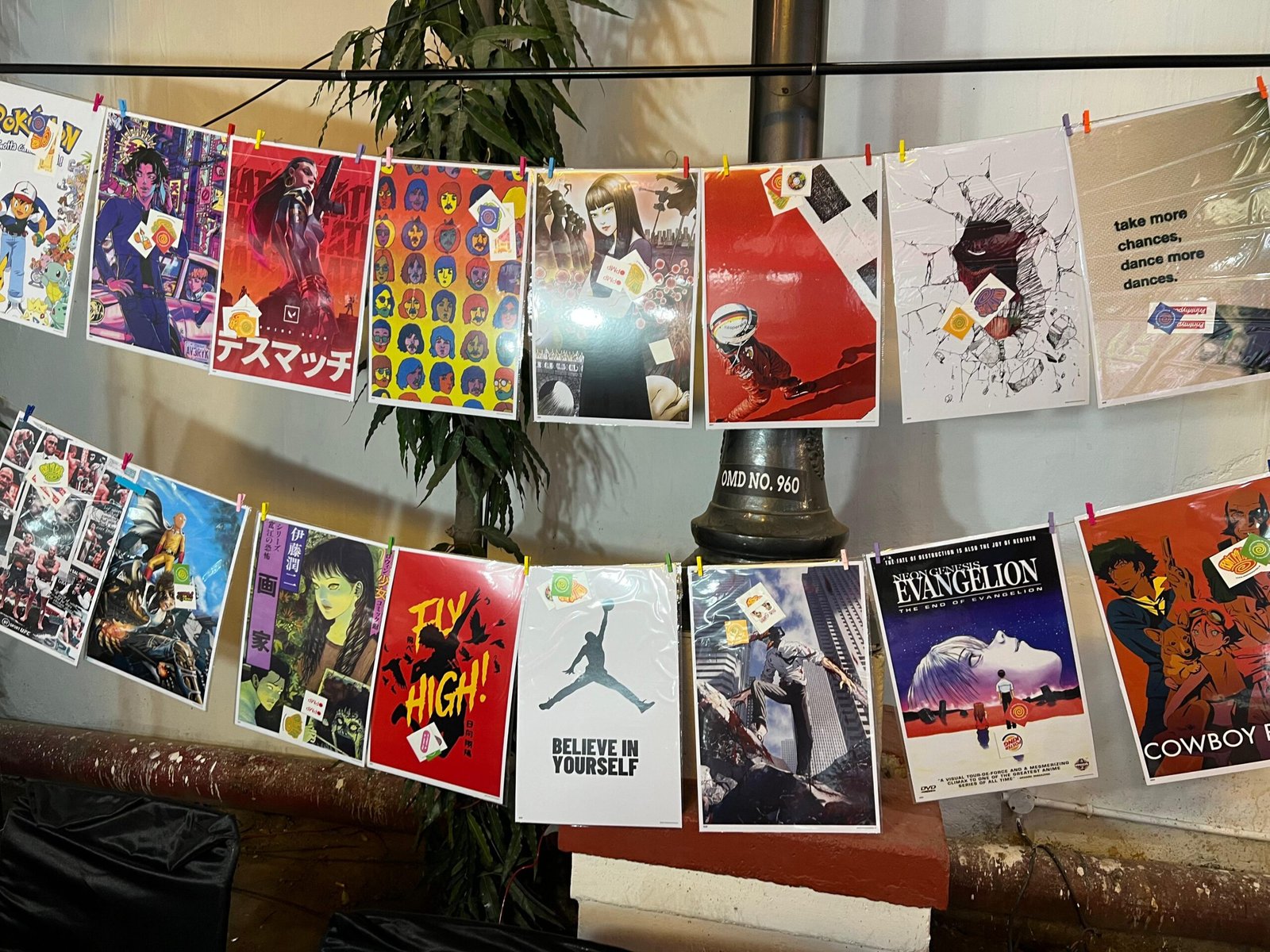
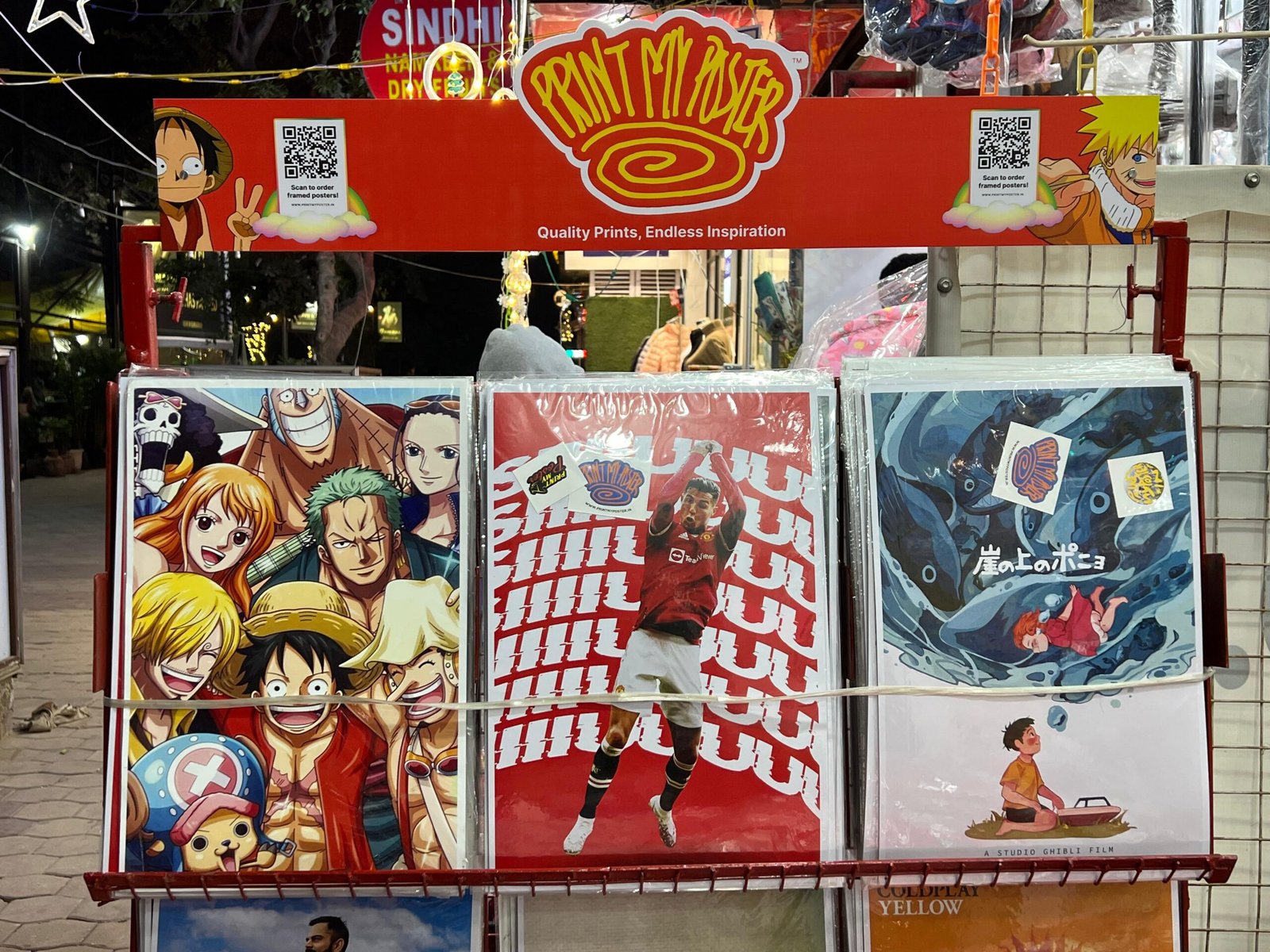
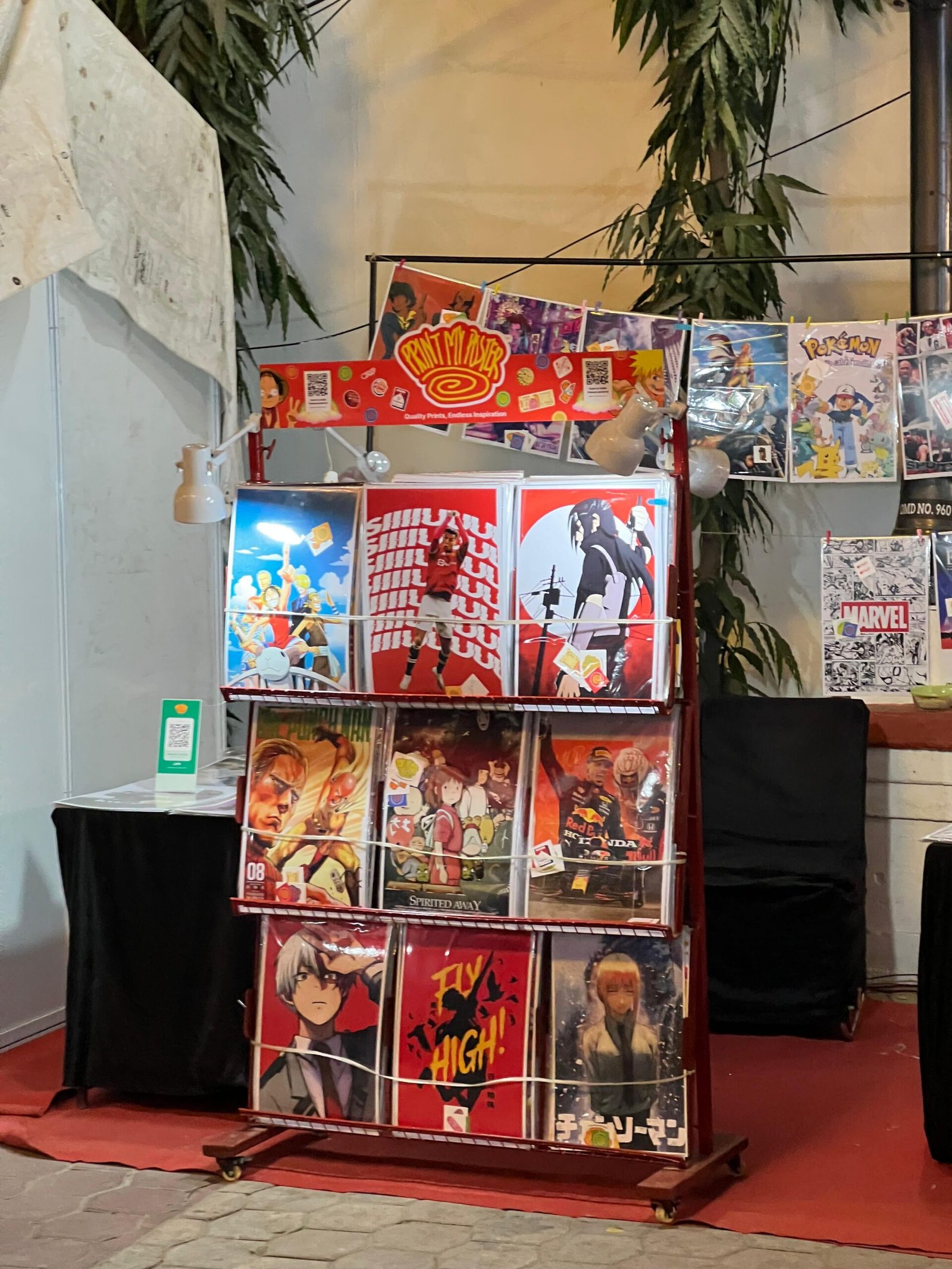
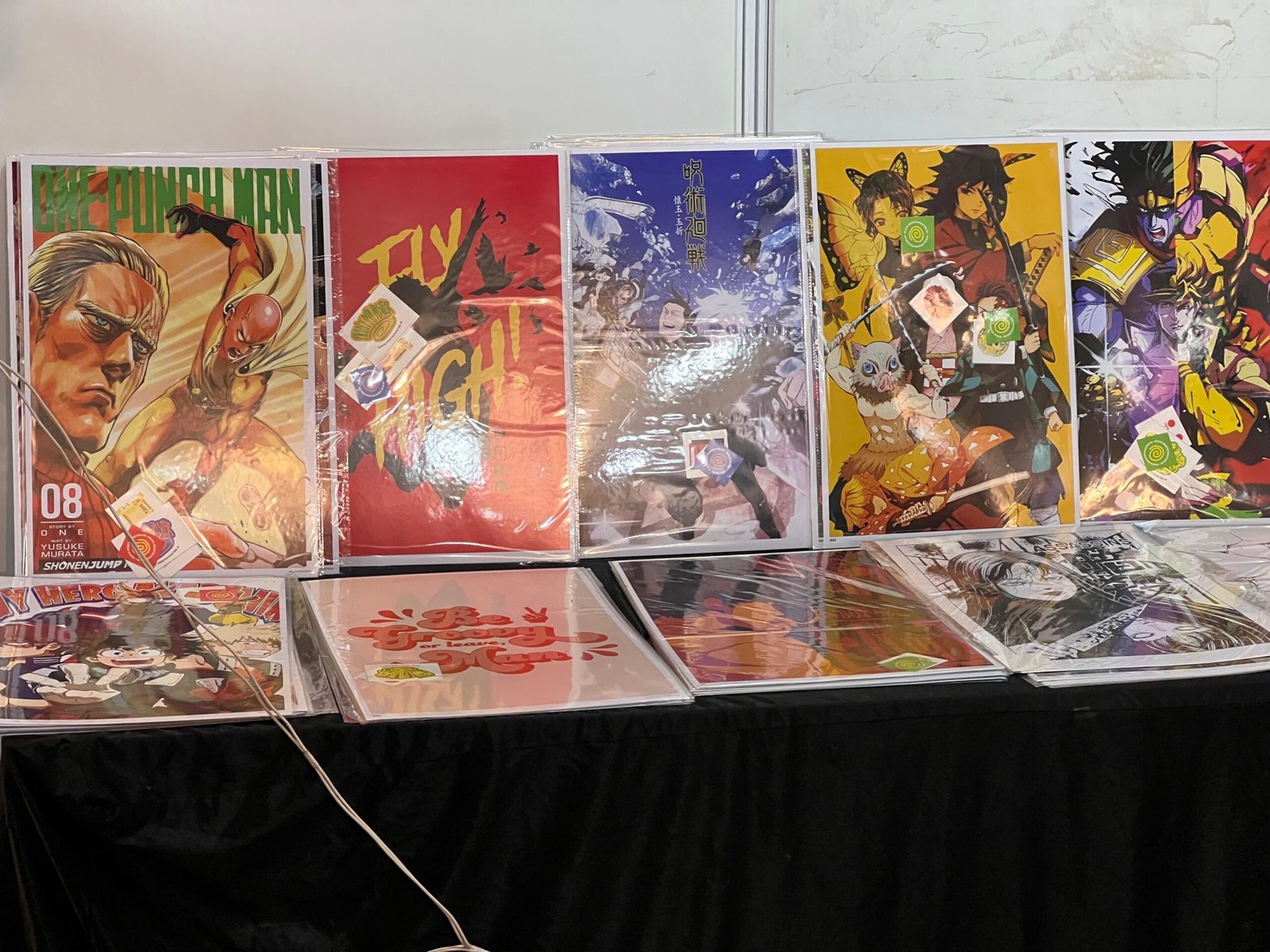
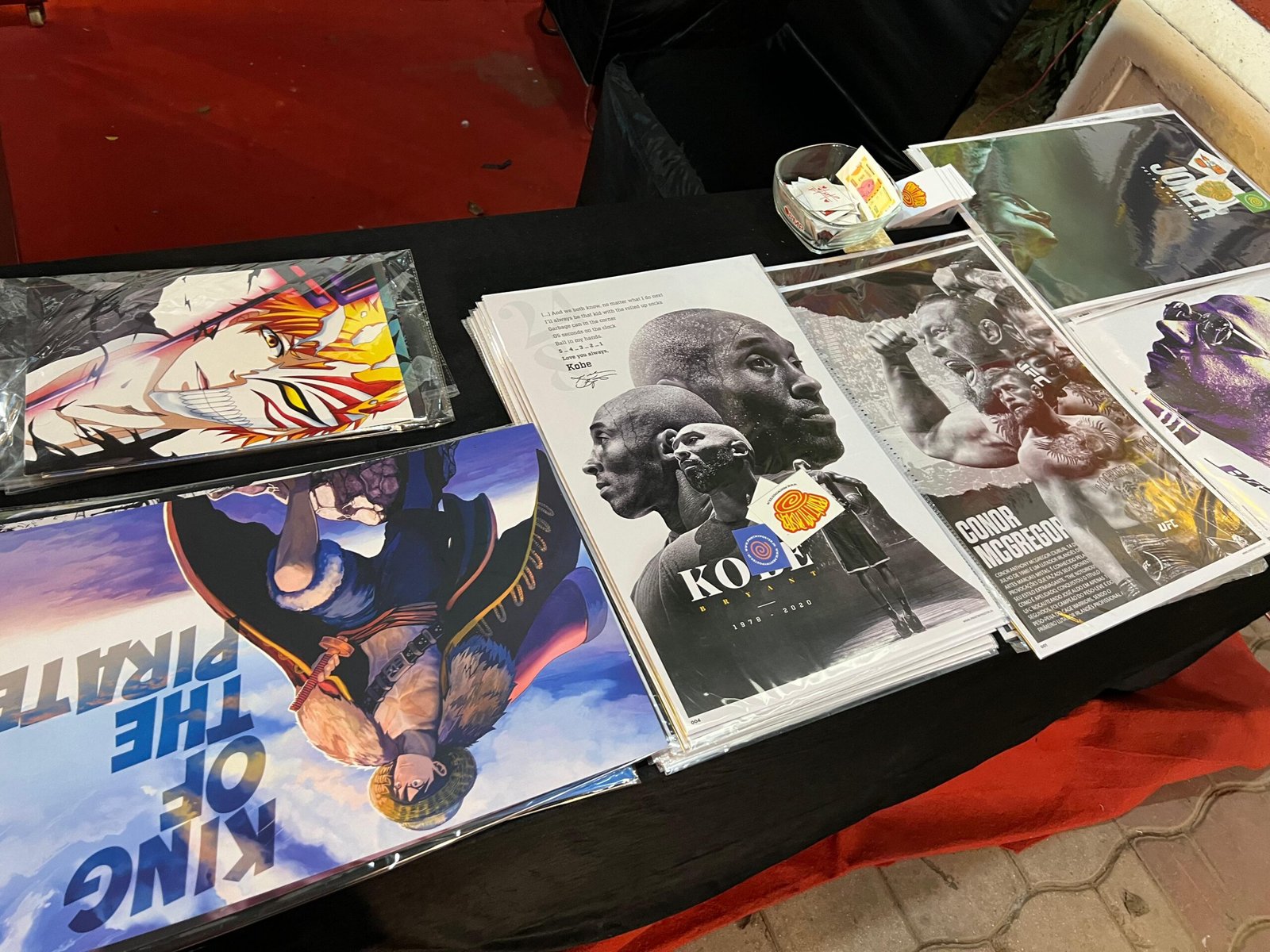
Posters for people who actually care about design.

“When people held a PrintMyPoster, they felt the difference immediately. It wasn’t just a poster. It felt like a curated object.”

Visual Identity: “The Rebel Manifesto”
Anti-establishment Aesthetic Punk x Minimalism Provocative Curated Authentic

Specification Sheet

Paper Quality 350gsm Matte Cardstock PREMIUM

Significantly thicker than standard 150-200gsm posters. Feels rigid and substantial in hand.

Dimensions 12″ × 18″ (A3+)

Optimized for wall collages and standard framing sizes.

Print Finish Deep Matte Finish

Zero glare. Color-accurate. Signals premium design object, not glossy commercial print.

Color Profile Vibrant & Accurate

High-fidelity reproduction of digital art.

Unboxing Experience

Unboxing Sequence

Every layer was designed to signal “Premium” and create an emotional hook.

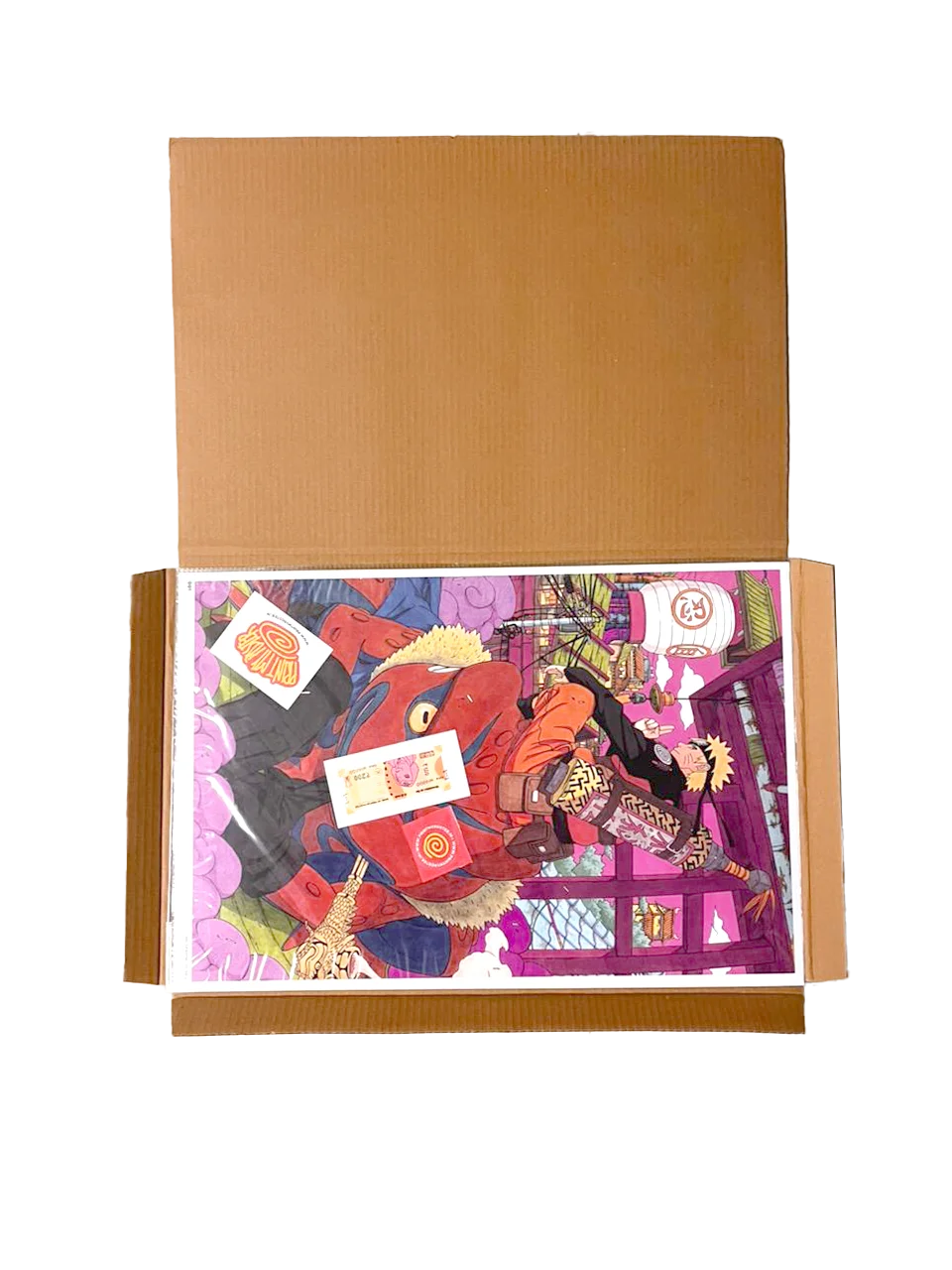
1. The Box
Custom Flat-Ship Carton

2. The Open
File style

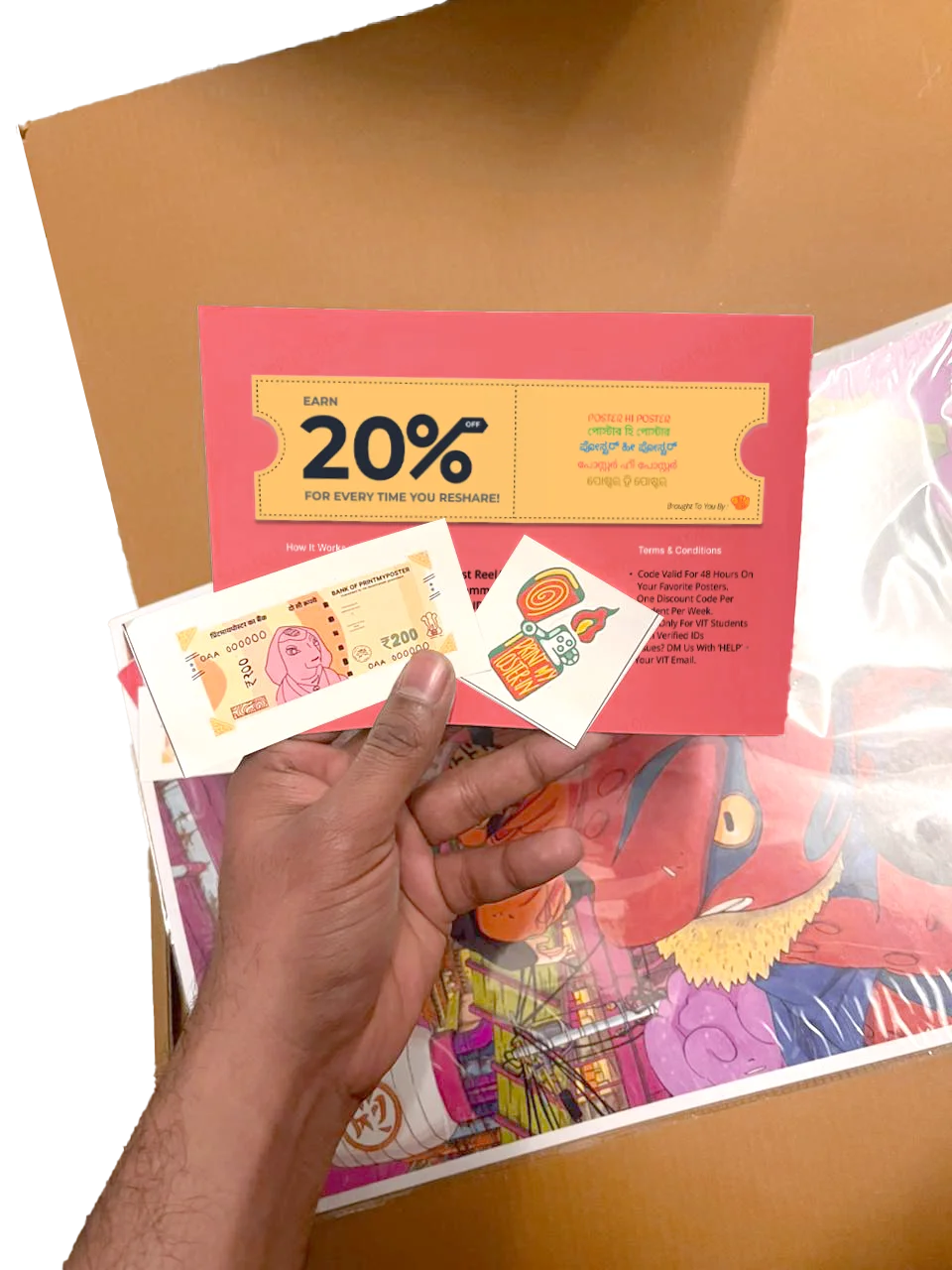
3. The Extras
Stickers & Thank You

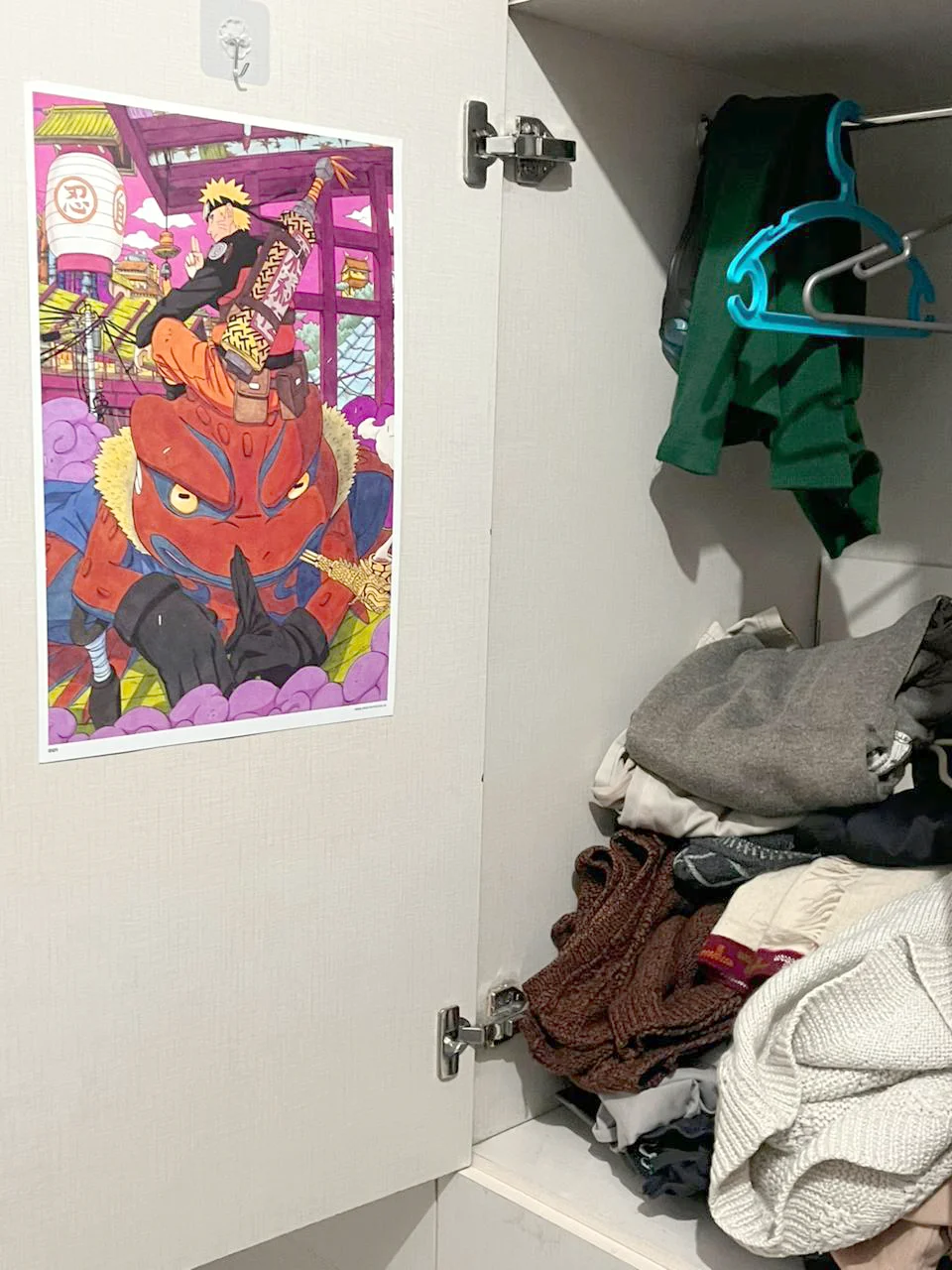
4. The Product
Wall Adhesive Ready

5. The Wall
Double-sided Tape Ready

Unboxing – Card

Premium Details (No Shortcuts)

Custom flat-ship carton (No rolling)

Company stamp on back (Authenticity)

Double-sided tape pre-applied

Tissue wrap (Feels like a gift)

Adhesive polybag for protection

Branded sticker pack included

KEY WIN

The Outcome

“It wasn’t just a transaction. Customers felt cared for, leading to high organic shares on Instagram.”

Cost Structure Comparison

Cost Structure Comparison (COGS)

Why the unit economics broke immediately upon going online.

Offline / Stall
₹29/poster
Printing ₹15.00
Polypack ₹5.00
Tape (Double-sided) ₹2.50
Polythene ₹2.50
Packaging ₹2.00
Stickers ₹2.00

Cost Relative to Online

3.7x HIGHER COST
Online / Website
₹106/poster
Shipping ₹50.00
Printing (No bulk discount) ₹30.00
Packaging (Sturdier) ₹17.00
Tape ₹2.50
Polythene ₹2.50
Invoice & Stickers ₹4.00

Cost Scale

The Killer Metric: Shipping cost (₹50) alone is nearly double the entire production cost of an offline poster. For single orders, this destroys the margin structure instantly.

Channel Performance Comparison

Channel Performance Comparison

The Gap: Offline worked. Online didn’t. Custom masked the problem.

Revenue
CAC
Profit / Loss
Conversion
Scalable?
Offline (Stall)
Profitable

₹26,870

3 Days

₹0

Organic Footfall

+₹6,870

Net Profit

40%

High Intent

NO

Founder Dependent

Online (Website)
Not Viable

₹17,000

11 Months

₹556

Per Order

-₹37,400

Net Loss

1.5 – 2.5%

Low Conversion

NO

Unit Economics Fail

Custom Orders
Masked Failure

₹28,000

12 Orders

₹0

Inbound / DMs

Negative

After Fixed Costs

N/A

Manual Sales

NO

Manual Effort

Offline(Stall)

Channel Revenue Comparison

Channel Performance: Revenue Breakdown

Offline worked. Online didn’t. Custom masked the problem.

Offline (Stalls) Profitable

Revenue: ₹26,870 (3 Days)

40% Conversion Rate. Zero CAC. High organic demand led to false confidence in the product.

Online (Website) Not Viable

Revenue: ₹17,000 (11 Months)

1.5% Conversion. High CAC (₹556) + Shipping Costs destroyed unit economics.

Custom Orders Masked Problem

Revenue: ₹28,000 (Inbound)

High ticket value masked the systemic failure. Required unscalable manual labor.

Financial Reality — P&L Summary

The Financial Reality: P&L (11 Months)

Revenue looked healthy on the surface, but the expense structure was fatal.

Profit & Loss Statement Dec 2024 – Oct 2025
Total Revenue
₹101,000
Cost of Goods Sold (COGS)
– ₹23,600
Gross Profit
₹77,400
Fixed Costs (Infra)
– ₹44,500
Variable Marketing
– ₹27,000
Stall Rent
– ₹20,000
NET RESULT
– ₹14,100
Survival Mode

Total expenses exceeded revenue by 14%. The business was only kept alive by ₹21,340 in personal loans injected by the founders.

Revenue Distribution Pie Chart

Revenue Distribution

Where the money actually came from over 11 months.

Total Revenue
₹101k

Offline / Stalls

Pop-ups & Physical Sales

₹56,000

55%

Custom Orders

Framed & Canvas

₹28,000

28%

Website / Online

D2C Store Sales

₹17,000

17%

The Dangerous Trap

“Offline Success Masked Online Failure.”
We thought the 55% validated the model. It didn’t. It just validated pop-ups.

The Burn: Monthly Financials

The Burn: Revenue Insufficient for Fixed Costs

Timeline: Dec 2024 – Oct 2025 (11 Months)

Avg Fixed Costs

₹44,000/mo

Avg Revenue

₹9,181/mo

Gap

-₹34,819

Chart Legend
Fixed Costs (Infrastructure)
Actual Revenue
Personal Loan Injections
The Structural Deficit

The gap between the blue line (costs) and red line (revenue) represents the monthly cash burn.

Why it failed: Even with two capital injections (green dots), we never came close to crossing the breakeven threshold. The business was technically insolvent from Month 1.

Root Causes

Why It Failed: The Root Causes

Six critical failure points that compounded to kill the business.

01
Offline Success Masked Online Viability

We achieved 40% conversion at pop-up stalls. We mistook this for Product-Market Fit. In reality, it only proved brand appeal in a zero-CAC environment.

02
Broken Unit Economics From Day 1

CAC was ₹556 vs Gross Profit of ₹730. This left only ₹174 per order to cover all fixed costs. The math was broken before we even scaled.

03
Fixed Costs Too High Relative to Revenue

We built infrastructure for scale (Shopify, teams) costing ₹44k/mo while average revenue was only ₹9k/mo. The fixed cost burden was 5x our revenue.

04
No Early Financial Discipline

We had no profitability checkpoints or “stopping rules.” We rationalized monthly losses as “investment in growth” instead of pivoting when metrics flashed red.

05
The Custom Orders Distraction

High-ticket custom orders felt like wins but required unscalable manual labor. They disguised the core failure and burned internal time we couldn’t afford.

06
Late Competitive Analysis

We realized too late that the poster market is a commodity. We were trying to sell a premium brand to a cost-sensitive audience without a defensible moat.

The Failure Cascade

The Failure Cascade

How one false assumption triggered a domino effect of unrecoverable decisions.

01
Inherent Flaw

Unit economics were broken from Day 1. CAC (₹556) > Net Margin.

02
Misread Success

40% Stall Conversion validated “Brand Love” but hid the CAC problem.

03
Premature Scale

Invested in infrastructure & ads assuming offline metrics would translate online.

04
Losses Mount

Fixed costs (₹44k) dwarfed revenue (₹9k). Monthly cash burn accelerated.

05
Personal Injection

Founders injected ₹21,340 loans to extend runway, ignoring the structural hole.

06
Runway Depleted

Funds exhausted. No path to profitability without massive capital.

07
Shutdown

Oct 2025: Operations ceased to prevent further personal debt.

The Lesson

“We scaled a leak,
not a funnel.”

Key Learnings Checklist

Key Learnings: The Evolution

Six critical lessons that transformed my approach from “Designer” to “Strategy-first Designer”.

01

Validate Economics BEFORE Design

Design cannot fix broken math. Before pixel-pushing, I now define CAC, LTV, and Gross Margins. If CAC > 30% of LTV, stop immediately.

02

Brand Fit ≠ Product-Market Fit

People loving the “vibe” (Brand Fit) is not the same as people buying repeatedly at scale (PMF). You can have a beloved brand that is commercially unviable.

03

Offline Signals are Misleading

Pop-ups have zero CAC and high impulse. Online has high CAC and friction. Success in one does not validate the other.

04

Design Thinking + Business Thinking

“How might we make this beautiful?” is incomplete. The real question is: “How might we make this sustainable and profitable?”

05

Infrastructure Follows Validation

We built for scale before proving viability. The correct sequence is: Validate → Scale → Optimize. Never invest in infra for an unproven model.

06

Profitability Checkpoints

Define “Kill Criteria” upfront. E.g., “If fixed costs > 30% of revenue by Month 6, we restructure.” Without checkpoints, hope replaces strategy.

The New Framework

The New Framework

Moving from design-led guesswork to business-led validation.

The Old Approach
Design First
Focus on aesthetics, branding, and vibe.
Hope for Viability
Assume unit economics will work at scale.
Launch
Invest in inventory, ads, and infrastructure.
Failure
The New Approach
1. Validate Unit Economics
CAC < 30% of LTV?
Repeat Rate > 20%?
Fixed Costs < 30% Rev?
IF NO
STOP/PIVOT
IF YES
2. Strategy
Define positioning & value prop.
3. Design System
Build visual identity that serves strategy.
Scale
Unboxing Experience

Why this case study matters

What has it taught me? Numerical Failure or Life Success

My Learnings?

PrintMyPoster failed. But it was the best mini MBA I could have gotten.
For ₹100k tuition, I learned:
✓ How startups could die (bad unit economics)
✓ How to ask better questions (business first)
✓ How to read financials (CAC, LTV, unit economics)
✓ How to validate before scaling (profitability checkpoints)
✓ How to think like a founder (outcomes> aesthetics)


But the biggest lessons weren’t about unit economics. They were about human.


THE FOUNDER LESSON #1: Business Happens Over Lunch?
I learned that I need to be willing to talk about business at lunch table.
Not just in meetings. Not just in decks. At lunch too.

I found I ought to have difficukt conversations like:
“This isn’t working. What do we actually do?”


THE COLLABORATION LESSON #2: Knowing When to Let Go
There were times I knew more than Abhinav about Brand Building.
There were times he knew more than me about operations.
I had to accept that neither of us needed to be right all the time. Having a better idea doesn’t mean I should force it.
Because even if I win the argument, I lose the collaboration.
And I learned that collaboration moves things faster than my individual brilliance ever will.

I stopped counting who was right. Started counting if we were aligned.
That shift has my daily life and choices immensly in a positive way.

THE ASYNC LESSON #3: Written Communication Matters
There were weeks neither of us could meet. Different schedules. Different availability. One day we decided to use Google Notes and it did wonders for us. I learned to put everything in writing.
Like async-first companies do. I found it forced me to be clear.
It prevented misunderstandings. This kept my momentum without the need of always waiting to meet before working.

THE EFFICIENCY PARADOX #4: Meetings Have Hidden Value
Sometimes we had meetings that seemed pointless to me.
I’d think: “This is wasting my time. We’re not solving anything.”
But efficiency isn’t the only thing that moves business. Sometimes we need the “feel” of things happening.
Sometimes random meetings create momentum that prevents stalling.
(Obviously, one should audit this monthly, if they don’t want to become a meeting company.)

KNOW YOUR PARTNER ASAP #5: Know Your Partner’s Working Mind
I learned something crucial while working with Abhinav.
I realized I need to check something deeper: Do I know how they think when working?
Do I know what ideas they hate and love?
Do I know when they’ll push back and when they’ll go along?
Do I know their pace? Their communication style? Their decision-making process? If I don’t, then I have to get to know as soon as possible. It does not just limit to Business partners, it can be even for a small group project. Getting to know you partner is first thing you, or atleast I need to do before getting on with producing output.

ENGING NOTE
PrintMyPoster in numbers may look like a massive failure. But in personal development, it has taught me so much that the numerical failures look so utterly small. I am thankful for working on this project.
And I am very thankful to

Abhinav

for being patient with me 🫂